Comparing Performance of Top-Rated Musky Lures
Musky fishing demands precision, power, and patience. The right lure can mean the difference between a trophy catch and an empty boat. Over years on northern waters, I’ve tested countless lures, dissecting their strengths and weaknesses. Today, I’ll break down the performance of some of the top-rated musky lures. This is a no-nonsense guide for serious anglers who want to sharpen their edge and land that elusive giant.
The Anatomy of a Winning Musky Lure
Musky lures are engineered to provoke strikes from one of the fiercest freshwater predators. They must combine durability, action, and visibility. Here’s what I look for:
Durability: Musky teeth are razor-sharp. A lure that falls apart after a few strikes is useless.
Action: The lure’s movement must mimic wounded or fleeing prey. Erratic, enticing, and aggressive.
Size and Weight: Big enough to attract attention but balanced for the right depth and speed.
Color and Finish: Visibility in murky northern waters is critical. Natural patterns or high-contrast colors depending on conditions.
Each lure I review here meets these criteria but excels in different ways.

Top-Rated Musky Lures: Performance Breakdown
Bucktails: The Classic Powerhouse
Bucktails remain the backbone of musky fishing. Their simple design belies their effectiveness. The combination of a weighted head and a skirt of bucktail hair creates a pulsating, lifelike action. I favor bucktails for their versatility and toughness.
Action: The pulsating skirt flares with every twitch, mimicking injured baitfish.
Durability: High-quality bucktails withstand repeated strikes and rough underwater terrain.
Best Use: Slow to medium retrieve in shallow to mid-depth waters.
Marksmen Bucktails, for example, deliver consistent performance with premium materials that resist wear. Their balance allows for long casts and precise control.
Crankbaits: Aggressive and Deep-Diving
Crankbaits are engineered for speed and depth. Their hard bodies and lip designs let you target specific water columns. When musky are holding deep or in heavy cover, crankbaits shine.
Action: Tight wobble or erratic darting depending on design.
Durability: Hard plastic bodies resist teeth but can chip on rocks.
Best Use: Fast retrieves in deep water or around structure.
I’ve found that crankbaits with a larger lip dive deeper and provoke reaction strikes. Their noise and vibration add another sensory trigger for musky.
Topwater Lures: The Show-Stoppers
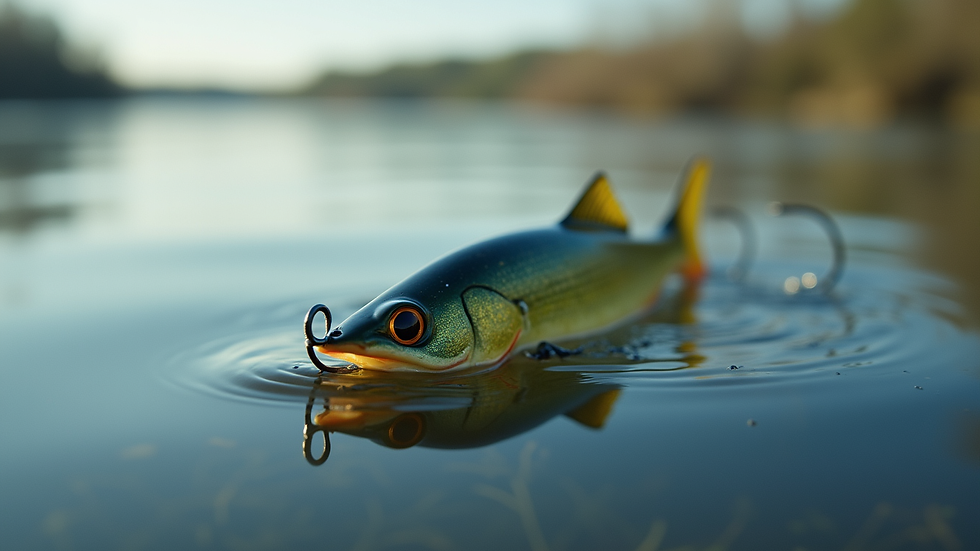
Few things match the thrill of a musky strike on a topwater lure. These lures create surface commotion that draws aggressive strikes. They require precise timing and patience but reward with explosive hits.
Action: Splash, pop, or walk-the-dog style surface movement.
Durability: Must be rugged to survive repeated surface strikes.
Best Use: Early morning, late evening, or low-light conditions.
Topwater lures demand a confident retrieve. The right cadence can trigger a strike from a lurking giant. I recommend experimenting with pauses and bursts to find the musky’s mood.
How to Choose the Right Lure for Your Conditions
Selecting the perfect lure depends on water clarity, temperature, and musky behavior. Here’s a quick guide:
Clear Water: Natural colors and subtle action. Bucktails with white or silver skirts work well.
Murky Water: Bright colors and loud action. Crankbaits with rattles or topwater lures with splashes.
Cold Water: Slow retrieves with subtle action. Bucktails and crankbaits with tight wobble.
Warm Water: Aggressive retrieves and erratic action. Topwater lures and fast crankbaits.
Adjust your lure choice as conditions change throughout the day. Keep a variety of top-rated musky lures on hand to adapt quickly.
Maximizing Your Catch with Musky Lure Product Comparisons
When I evaluate gear, I rely on detailed musky lure product comparisons to identify what stands out. Comparing lures side-by-side reveals subtle differences in action, durability, and effectiveness. For serious anglers, this knowledge is invaluable.
For example, comparing bucktails with different head weights and skirt materials can help you dial in the perfect presentation. Similarly, testing crankbaits with varying lip sizes lets you target precise depths. These comparisons save time on the water and increase your odds of hooking a trophy.
Explore detailed musky lure product comparisons to find gear that matches your style and conditions.
Fine-Tuning Your Technique for Each Lure Type
Even the best lure fails without the right technique. Here’s how I approach each top-rated musky lure:
Bucktails: Use a steady retrieve with occasional pauses. Vary speed to imitate wounded prey.
Crankbaits: Maintain a consistent speed. Use a stop-and-go retrieve to trigger reaction strikes.
Topwater: Work the surface with rhythmic pops or walks. Watch for the telltale splash of a strike.
Practice these techniques until they become second nature. Confidence in your retrieve translates to more strikes and better hook sets.
The Final Cast: Elevate Your Musky Game
Mastering musky fishing means mastering your lures. The top-rated musky lures I’ve outlined here each bring unique strengths to the fight. Bucktails offer timeless reliability. Crankbaits deliver depth and aggression. Topwater lures provide explosive excitement.
By understanding their nuances and matching them to conditions, you sharpen your edge. Combine this with solid technique and durable gear like Marksmen Bucktails, and you’re ready to land the trophy musky you’ve been chasing.
Keep pushing limits. Keep refining your arsenal. The next giant musky is waiting just beneath the surface.


Comments